
Swag vs. Merch: What’s the Difference and Why It Matters for Your Brand
The terms “swag” and “merch” often get used interchangeably in casual conversation, but they represent two distinct approaches to promotional marketing with different strategic purposes. Swag refers to free branded items handed out at events to build awareness, while merch includes higher-quality products designed to foster deeper brand connections.
The distinction helps you choose the best products for each moment, whether handing out pens at trade shows or creating premium apparel for loyal customers. In this article, we’ll break down swag vs. merch, explain when to use each, and show how thoughtful choices can turn simple giveaways into powerful brand tools.
Key Takeaways:
- Swag builds awareness through free, practical giveaways – at events and conferences, reaching broad audiences with minimal investment per item.
- Merch creates loyalty through premium, desirable products – that customers and employees actually want to use, wear and share.
- Purpose drives the choice – between swag and merch, with swag perfect for visibility campaigns and merch ideal for retention and community building.
- Quality perception differs significantly – as swag prioritizes affordability and volume while merch focuses on premium materials and brand representation.

What is Swag?
Swag refers to free branded promotional items given away to spread awareness and increase brand visibility. These practical products have one main goal: to get your logo in front of as many people as possible without breaking your marketing budget.
Swag works best when you need broad reach at trade shows, conferences, corporate giveaways, or community events.
Common characteristics of swag include:
- Low cost per item ideal for bulk orders and mass distribution
- Practical everyday use from writing tools to carry-all totes
- Simple, bold branding that keeps your logo visible
- Universal appeal across diverse audiences and age groups
Popular swag examples:
- Pens and writing instruments
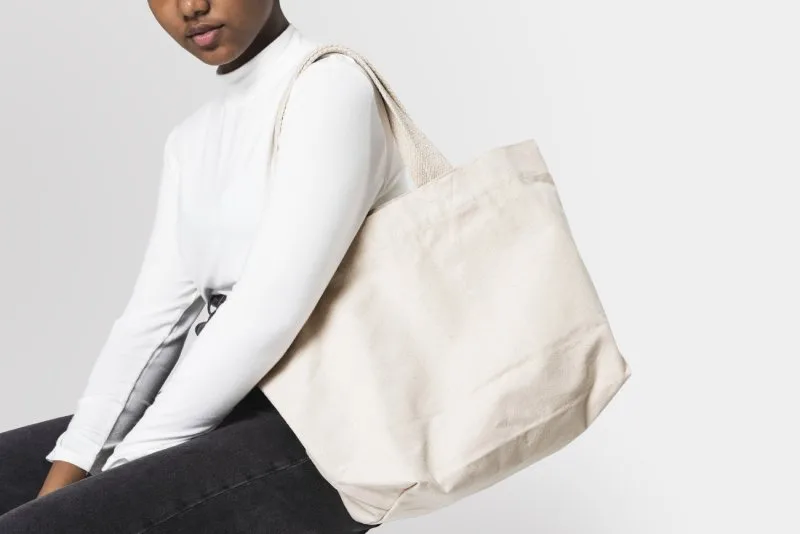
- Tote bags and drawstring backpacks
- Sunglasses and keychains
- Lanyards and badge holders
- Notepads and sticky notes
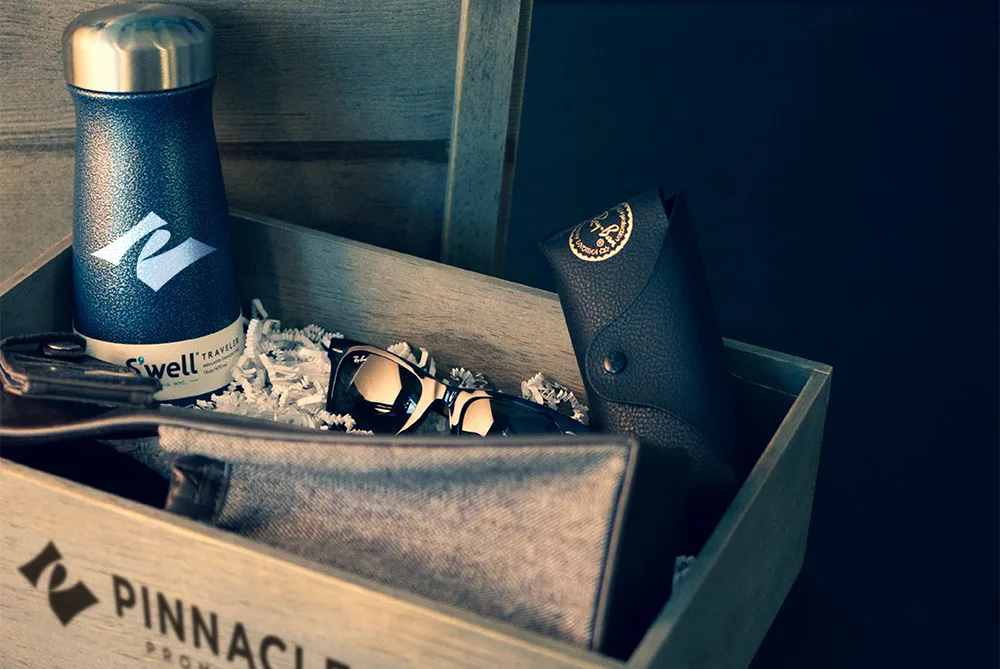
One of the most popular ways to share branded giveaways is through a curated swag bag, a collection of useful items that leaves a lasting impression after events or conferences.
What is Merch?
Merch (short for merchandise) refers to branded products that are typically sold or gifted to strengthen customer loyalty and build emotional connections with your brand. While swag is often handed out for free to raise awareness, merch represents your brand’s personality and values through quality items that people choose to purchase or receive as exclusive gifts. This approach focuses on creating a sense of community and long-term engagement rather than visibility.
Common characteristics of merch include:
- Higher quality materials and construction that reflect premium brand positioning
- Trend-forward designs that people want to wear and use in public
- Storytelling elements that convey brand values and identity
- Retail-style presentation with careful attention to packaging and experience
Popular merch examples:
- Branded apparel featuring popular jacket brands and premium tees
- High-quality drinkware from the top tumbler brands
- Tech accessories like wireless chargers and headphones
- Limited-edition drops and seasonal collections
- Premium notebooks and desk accessories
Merch is all about strengthening relationships and building lasting brand loyalty through products that people value and enjoy using.
Swag vs. Merch: Key Differences
While both swag and merch feature your branding, they serve fundamentally different purposes in your marketing strategy. The table below highlights how these approaches differ across key categories:
| Category | Swag | Merch |
| Purpose | Build brand awareness | Build brand loyalty |
| Distribution | Given away for free | Often sold or gifted selectively |
| Audience | Broad (events, conferences) | Targeted (fans, customers, employees) |
| Perceived Value | Affordable and practical | Premium and desirable |
| Cost | Lower per item, ideal for bulk orders and mass reach | Higher per item, viewed as an investment in brand perception |
| Examples | Pens, tote bags, keychains | Brand name apparel, premium drinkware, tech accessories |

Why Merch is Rising in Popularity
The promotional landscape has shifted dramatically over the past decade, driven by changing expectations among younger audiences. Millennials and Gen Z value experiences, authenticity, and storytelling over transactional marketing.
They want to feel connected to the brands they support, not just exposed to logos. This cultural shift has pushed merch beyond band t-shirts and sports teams, making it a core part of modern business strategy.
Key factors driving merch popularity:
- Emotional connection over awareness: Today’s customers want to belong to brand communities, not just recognize logos. Merch creates that sense of membership and shared identity.
- Quality as brand signal: Premium merch signals that your brand cares about details and values its audience enough to invest in quality products they’ll actually use.
- Social sharing potential: People proudly wear and photograph merch they love, creating organic social media content that amplifies your brand authentically.
- Employee pride and retention: High-quality branded gear helps teams feel connected to company culture, especially important for distributed workforces.
Forward-thinking organizations are using merch in creative new ways, from employee welcome kits that make new hires feel valued to influencer drops that generate excitement on social platforms. Company stores allow customers and team members to purchase branded items they genuinely want, turning products into revenue streams instead of pure marketing costs.
Whether you’re creating employee gifts for remote workers or college swag that resonates with students, the focus on quality and emotional connection remains constant.
How to Choose Between Swag & Merch for Your Brand
Not every marketing moment calls for the same type of branded product. Swag and merch each serve a purpose, whether it’s boosting visibility at trade shows or strengthening loyalty with premium gifts. Knowing when to use each helps you maximize impact and budget.
When to Use Swag
Use swag when your goal is to spread awareness and reach as many people as possible. It’s perfect for cost-effective, high-volume visibility.
Ideal situations for swag include:
- Trade shows and events: Hand out swag like tote bags, pens and lanyards to attract booth traffic and keep your brand top of mind after attendees return home.
- Corporate giveaways: Offer free branded items at community events, sponsorships or conferences where broad exposure matters more than deep connection.
- New customer outreach: Include affordable swag in direct mailers or welcome packets to introduce your brand without significant investment.
- Brand launches or rebrands: Generate excitement with simple, attention-grabbing freebies that get your new identity into circulation quickly.
- Employee onboarding or appreciation: Add small, useful branded items to introduce new hires to company culture or thank team members during appreciation weeks.
- Budget-friendly marketing: Ideal when your goal is exposure over long-term retention and you need to maximize reach with limited funds.
Goal: Broad awareness and first impressions.
When to Use Merch
Use merch when your goal is to build deeper emotional connections and long-term brand loyalty. It’s designed to feel premium and meaningful.
Ideal situations for merch include:
- Customer loyalty programs: Reward repeat customers or VIP clients with branded apparel or premium items that acknowledge their ongoing support.
- Employee engagement: Provide high-quality branded gear for teams, anniversaries or company milestones that employees will wear with pride.
- Brand storytelling: Sell or gift items that represent your values, whether that means eco-friendly materials, Made in the USA products or supporting specific causes.
- Influencer and social media campaigns: Create exclusive drops or limited-edition products fans are excited to share on their social channels.
- Company stores or ecommerce merch lines: Offer stylish, retail-quality products employees or fans can purchase, turning merch into both marketing and revenue.
- Corporate gifting: Send elevated items like drinkware, tech or apparel to partners and clients to strengthen relationships with thoughtful, lasting gifts.
Goal: Emotional connection, retention and brand advocacy.
How to Elevate Your Swag into Merch-Worthy Moments
The difference between swag and merch often comes down to perception. Focusing on quality, design, brand alignment and presentation transforms simple giveaways into high-value items people love to use and share.
These small upgrades help your brand feel more premium without necessarily increasing your spend dramatically.
Choose Quality Materials
The easiest way to elevate swag is to start with better materials. High-quality fabrics and durable finishes instantly make a product feel more valuable.
Material upgrades that matter:
- Apparel: Opt for soft, retail-fit shirts made with ringspun cotton or blended fabrics that hold their shape over time rather than budget tees that shrink and fade.
- Drinkware: Upgrade from single-wall plastic to insulated stainless steel tumblers that keep drinks hot or cold for hours and feel substantial in hand.
- Accessories: Select sturdy zippers, metal clips or reinforced stitching that stand up to daily use instead of components that break within weeks.
Quality products don’t just last longer, they reflect the reliability of your brand. When recipients notice the difference, they associate that quality with your business.
Prioritize Thoughtful Design
A well-designed product doesn’t need to shout your logo to stand out. Keep designs sleek, modern and subtle so recipients actually want to wear or use the item in public.
Design strategies that work:
- Subtle branding: Place logos strategically rather than dominating the entire product, creating items people choose to use rather than hide in drawers.
- Contemporary aesthetics: Select colors, fonts and layouts that feel current rather than dated, matching the design sensibility of your target audience.
- Premium decoration methods: Our team of branding experts can help you choose the right decoration method, from embroidery and screen printing to laser engraving and heat transfer, to achieve a premium look and feel that fits your brand aesthetic.
Choose Brand-Name Products
Using recognizable retail brands instantly boosts perceived value. Choosing brand name products shows customers that you care about quality and style.
Benefits of brand-name products:
- Instant credibility: Recipients immediately recognize quality when they see trusted names like Stanley®, Carhartt® or Nike® on products you customize with your logo.
- Association transfer: When your merch carries a respected brand name, recipients associate that same credibility and quality with your business.
- Budget-friendly options: Not every brand-name product breaks the bank, affordable options like Gildan balance quality with budget-friendliness for volume orders.
Use Branded Packaging
Presentation matters and branded packaging can make even the simplest giveaway feel like a gift. Custom gift boxes, custom tissue paper or elegant wrapping create an unboxing experience that adds excitement and perceived value.
Packaging elements that elevate:
- Branded boxes or bags: Custom packaging with your logo and colors transforms functional containers into brand touchpoints.
- Tissue paper and inserts: Add layers to the unboxing experience with coordinating paper and small insert cards that reinforce your brand message.
- Thank-you notes: Include a personal note or small card to make the recipient feel appreciated and create a moment of genuine connection.
Bundle Products into Kits
Kitting turns individual items into a cohesive, memorable experience. Combine practical products into themed bundles for onboarding, appreciation or client gifting.
Effective kit themes:
- Workday essentials: Pair a tumbler, notebook and pen into a kit that helps recipients start their day organized and energized.
- Seasonal bundles: Create kits around holidays, seasons or events with apparel, drinkware and tech accessories that fit the theme.
- Welcome packages: Combine several items that introduce new employees or customers to your brand in a thoughtful, complete way.
Explore our custom promotional kits and bundles to find inspiration and ready-to-ship options for any audience or occasion.
Merch and Swag Both Have Their Place
Both swag and merch play important roles in promotional product marketing strategies that drive results. Smart brands recognize when broad awareness serves their goals and when deeper loyalty matters more.
The most successful campaigns blend both approaches, using swag for reach and merch for retention, creating touchpoints that move audiences from awareness to advocacy.
Pinnacle Knows Promo, and that’s why we help brands combine both swag and merch in creative, impactful ways. From quick-turn swag that gets your name out there to premium branded merch that strengthens relationships, we make it easy to create products that tell your story and strengthen your brand.

Frequently Asked Questions
Is swag the same as merch?
Not exactly. Swag and merch both feature branded items, but they serve different purposes. Swag is usually given away for free to raise awareness, think pens, tote bags or stickers. Merch is often higher-quality and may be sold or gifted to strengthen loyalty, like branded hoodies or premium drinkware.
What’s another word for swag or merch?
Common alternatives include branded giveaways, promotional products, corporate gifts or branded apparel. The terms vary depending on how the items are used, for awareness, gifting or resale, but all fall under the umbrella of promotional marketing.
What is considered merch?
Merch (short for “merchandise”) includes branded items that represent your business or community. These are typically sold or used as exclusive gifts to fans, employees or customers, like logo apparel, mugs, hats or limited-edition collectibles.
What is considered swag?
Swag refers to free promotional items distributed at events, trade shows or as part of marketing campaigns. Typical examples include pens, keychains, notepads and tote bags, affordable items meant to increase brand visibility and recall.
What is slang for merch?
The slang term “merch” itself is short for merchandise. In marketing and pop culture, it’s often used to describe branded items sold by businesses, artists or influencers, like band merch, company merch or creator drops. It’s the modern evolution of traditional branded products designed to connect emotionally with audiences.